
This educational resource is provided by  and supported by an educational grant from Novo Nordisk, Inc.
Advancements in obesity research have revolutionized our understanding of the disease as a complex disorder of energy dysregulation. These insights have paved the way for novel treatment strategies. Among these, amylin—a key hormone involved in satiety, gastric emptying, and regulation of energy balance—has emerged as a promising pharmacologic target. As amylin-based agents progress through clinical development, clinician awareness of amylin’s physiological role and therapeutic potential has become increasingly essential. Review this resource to explore cutting-edge knowledge of amylin biology, its clinical implications, and its various actions throughout the body.
Amylin
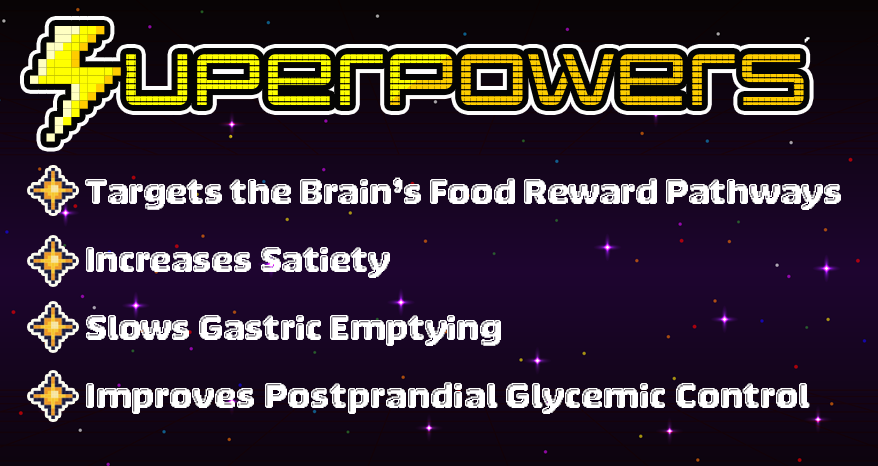
There are at least 3 amylin receptors—AMY1, AMY2, and AMY3—each of which is composed of the calcitonin receptor bound to 1 of 3 corresponding receptor activity-modifying proteins, with distinct pharmacologic and signaling characteristics. Amylin receptors are considered proven drug targets, and next‑generation amylin‑based therapies are novel treatments for overweight, obesity, and diabetes mellitus. Amylin interacts with GLP‑1, GIP, and glucagon to regulate appetite, glucose metabolism, and energy balance.
https://www.youtube.com/watch?v=jviZOW0qNzQ&feature=youtu.be
Click to watch the video Amylin Adventure: Biology and Modes of Action

Amylin is a multifunctional hormone through its actions on various organs:


Your Content Goes Here




Glucagon-like peptide-1 (GLP-1)
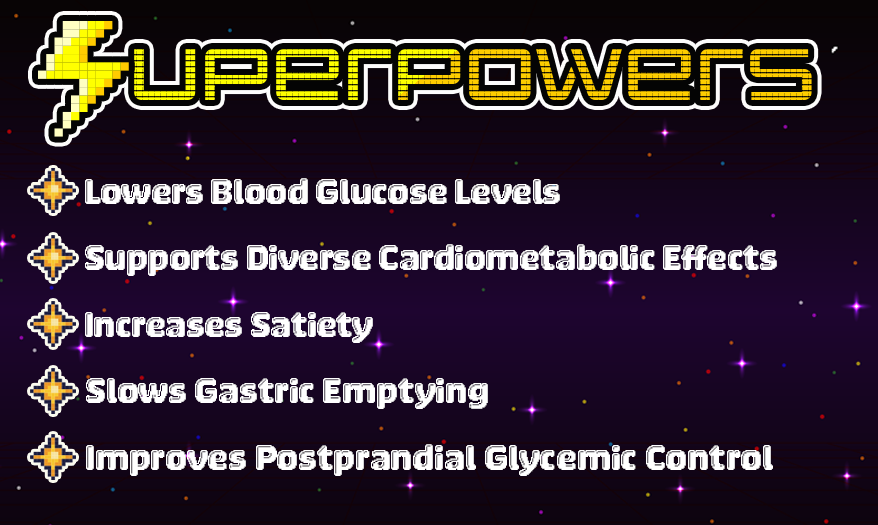
GLP-1 is a 30-amino-acid, incretin hormone secreted by intestinal L-cells in response to nutrient intake. It enhances glucose-dependent insulin secretion, inhibits glucagon release, delays gastric emptying, and promotes satiety.
Many professional organizations and medical societies recognize approved GLP‑1 receptor agonist-based obesity medications, including semaglutide and tirzepatide, as highly-effective for treating excess adiposity in adults with obesity or overweight and related complications.
Guidance from the American Diabetes Association (ADA), American Association of Clinical Endocrinology/The Obesity Society (AACE/TOS), American Gastroenterological Association (AGA), Endocrine Society, and the American Heart Association (AHA) notes that large‑scale trials of these agents have demonstrated sustained weight loss (roughly 10% to 20%), as well as improvements in glycemic control, blood pressure, lipid profiles, and other cardiometabolic risk factors.
Reflecting this evidence, clinical guidelines increasingly support GLP-1 receptor agonists as an appropriate first-line or add-on treatment option when obesity pharmacotherapy is indicated, in conjunction with comprehensive lifestyle interventions.
GLP-1 exerts a broad range of physiological effects due to the widespread expression of GLP-1 receptors in various organs:
Your Content Goes Here
Four hormones—amylin, GLP-1, GIP, and glucagon—interact in complex ways to regulate body weight and impact obesity through their actions on the brain, stomach, adipose tissue, pancreas, bone, and liver.
In the context of obesity, amylin’s ability to enhance satiety and reduce food intake works synergistically with the other hormones.
- Like GLP-1, amylin also promotes satiety and reduces food intake.
- Amylin inhibits glucagon postprandially to prevent excessive hepatic glucose production.
- GIP primarily promotes insulin secretion and fat storage. However, amylin’s satiety effects may counteract GIP’s adipogenic actions, thus aiding in weight management.
These hormones interact to regulate weight and obesity by modulating insulin and glucagon secretion, influencing gastric emptying, and acting on the central nervous system to control appetite and energy expenditure. Their combined effects on various organs contribute to their overall impact on weight regulation and metabolic homeostasis.
Amylin-Based Therapies for Obesity Management
Amylin-based monotherapies for obesity are an emerging therapeutic class showing promising efficacy, with newer long-acting agents achieving weight reductions of 12% to 20% in clinical trials. The obesity pharmacotherapy landscape is rapidly evolving to include both single-target approaches as well as dual and multi-agonist strategies, with amylin-based therapies emerging as a promising complementary mechanism to GLP-1 receptor agonism.
Summary of Key Amylin-Based Therapies in Development (April 2026)

Cagrilintide–Semaglutide (CagriSema): Phase 3 REDEFINE 1 Summary
Garvey WT, Blüher M, Osorto Contreras CK, Davies MJ, Winning Lehmann E, Pietiläinen KH, Rubino D, Sbraccia P, Wadden T, Zeuthen N, Wilding JPH. REDEFINE 1 Study Group. Coadministered Cagrilintide and Semaglutide in Adults with Overweight or Obesity. N Engl J Med. 2025;393(7):635-647.
https://www.nejm.org/doi/full/10.1056/NEJMoa2502081
Study Design
- Type: Phase 3a, 68-week, multicenter, double-blind, placebo- and active-controlled trial
- Population: 3417 adults; body mass index ≥30, or ≥27 with ≥1 obesity-related condition (eg, hypertension, dyslipidemia)
- Groups:
- CagriSema (cagrilintide 2.4 mg + semaglutide 2.4 mg; SQ weekly): n=2108
- Semaglutide alone: n=302
- Cagrilintide alone: n=302
- Placebo: n=705
- Duration: 68 weeks, followed by 7-week off-treatment follow-up
Results: In the phase 3 REDEFINE 1 trial, adults with overweight or obesity (without diabetes) receiving cagrilintide–semaglutide (2.4 mg each, weekly) achieved a mean weight reduction of 20.4% at 68 weeks, compared to 14.9% with semaglutide alone, 11.5% with cagrilintide alone, and 3.0% with placebo (P<.001 for all comparisons).
More than 90% of participants on the combination lost ≥5% of body weight, and more than half lost ≥20%. Improvements were also seen in blood pressure, glycemic parameters, and physical function. The safety profile was consistent with GLP-1 receptor agonists, with gastrointestinal events including nausea, vomiting, diarrhea, constipation, or abdominal pain, being most common (affecting 79.6% in the cagrilintide–semaglutide group and 39.9% in the placebo group) but mainly transient and mild to moderate in severity.

About
Contact Us
For General inquiries, contact:
[email protected]
For Technical questions, contact:
[email protected]
For CME questions, contact:
[email protected]
Vindico Medical Education
6900 Grove Road
Building 100
Thorofare, NJ 08086-9447 USA
888-960-0256; 856-994-9400
FAX: 856-384-6680

Vindico Medical Education, LLC is accredited by the Accreditation Council for Continuing Medical Education (ACCME), the Accreditation Council for Pharmacy Education (ACPE), and the American Nurses Credentialing Center (ANCC) to provide continuing education for the healthcare team through November 30, 2026.

Legal